Welcome to Everything Polo!
Your one-stop-shop for everything related to horse polo! We are proud to offer the best quality and value for both professionals and beginners, with all of our products made right here in Argentina.
Performance Polo Saddle
Performance Polo saddle made in Argentina with micro-perforated seat and Argentine style stirrup bar. Made from top-grade materials. Doesn't include leather stirrups.
Size: 16"-19"
Color: Dark brown or Black
Options: Monogram
Suede Polo Saddle
Suede Polo saddle made with Argentine style stirrup bar. Made from top-grade materials. Doesn't include leather stirrups.
Size: 16"-19"
Color: Dark brown or Black
Options: Monogram
Argentine Style Leather Halter
Traditional Argentine leather halter.
Material: Raw leather
Buffalo Leather Stirrups
Premium Leather Stirrups
Material: Buffalo leather.
Color: Dark brown or Black
Over Girth
Traditional Argentine Over Girth Pampa Model
Color: Black & White/ Black
Girth
Equalizer Neoprene Girth
Material: Neoprene and Buffalo leather
Breastplate
Leather Breastplate
Color: Dark brown or Black
Martingale
Leather Martingale
Color: Dark brown or Black
Saddle Pad
Argentinian Style Saddle Pad
Color: Black / White
Polo Boots
Argentine Style Polo Boots
2/3 layers
Color: Black and Brown
Stirrups
Iron Stirrups with Sandpaper base
EP International Polo Team
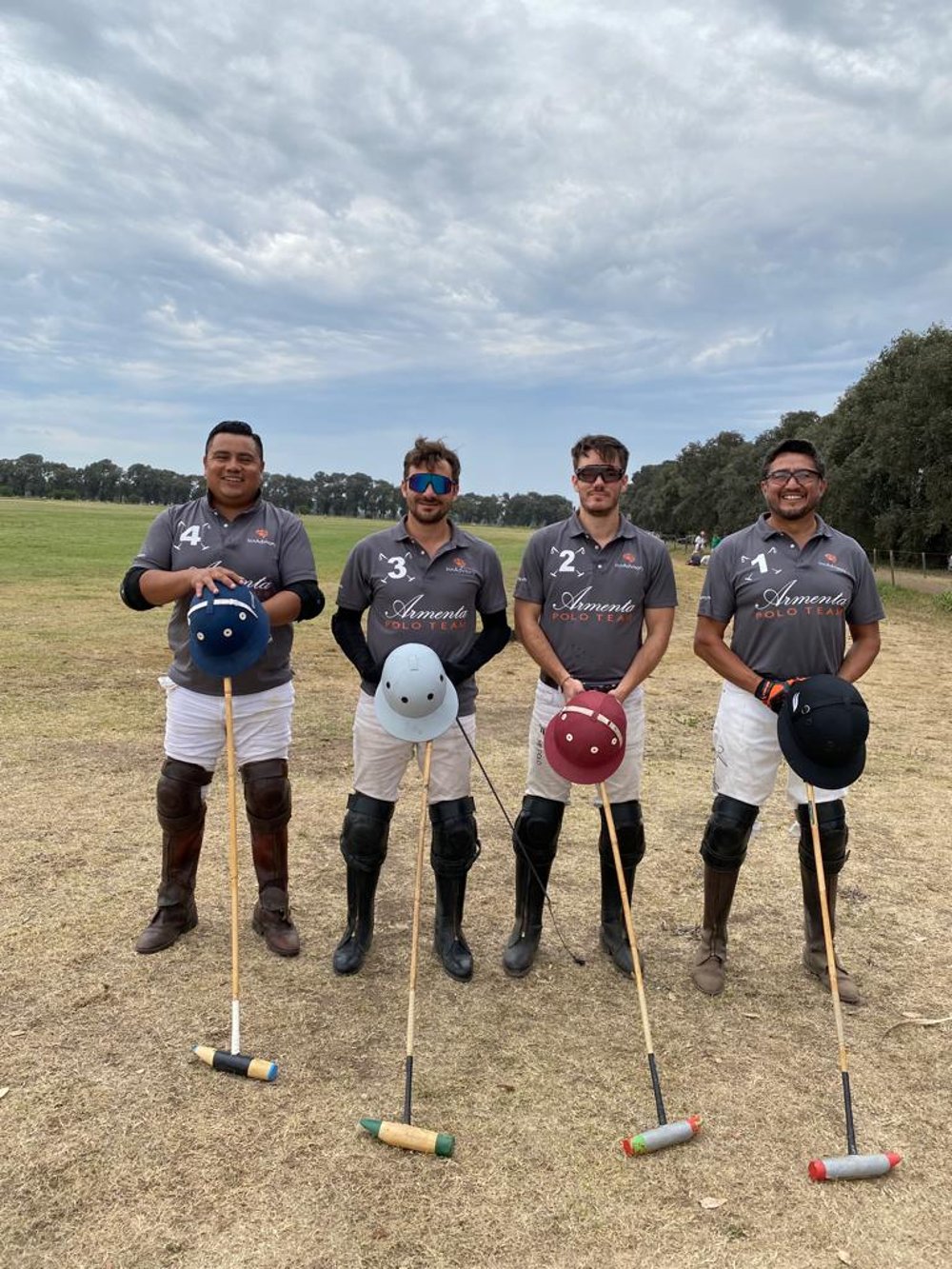
Everything Polo International is thrilled to announce our sponsorship of an international team of polo players who are passionate ambassadors of the sport. The EP International polo team consists of talented players from around the world who embody the spirit of dedication, sportsmanship, and excellence.
We are proud to support this exceptional team as they participate in multiple international events throughout 2023. From Argentina to the Dominican Republic, from Mexico to the United States, the EP International polo team will showcase their skills, determination, and love of the sport.
Our sponsorship of the EP International polo team reflects our commitment to promoting and celebrating the sport of polo around the world. As a company that specializes in providing the best quality equipment and accessories for horse polo, we recognize the importance of supporting the players who help to grow and expand the sport.
We are excited to see the EP International polo team in action and wish them all the best in their upcoming competitions. As proud sponsors, we are confident that they will represent Everything Polo International with the same dedication, passion, and excellence that they bring to the sport of polo.
Welcome to Everything Polo
Welcome to Everything Polo!, your one-stop-shop for everything related to horse polo! We are proud to offer the best quality and value for both professionals and beginners, with all of our products made right here in Argentina.
At our store, we understand that horse polo is more than just a sport; it's a way of life. That's why we are dedicated to providing our customers with the highest quality equipment and accessories to ensure a safe, comfortable, and successful game.
Our team of experts has carefully curated a selection of products that caters to all your polo needs, whether you are just starting or are a seasoned player. From polo mallets, helmets, boots, and riding gear to horse tack, we have it all.
We take great pride in offering the best value for your money, without compromising on quality. Our products are made by skilled artisans, using the finest materials and craftsmanship, to ensure that they are not only functional but also stylish and durable.
At our store, we are passionate about horse polo and are committed to providing our customers with the best possible experience. So whether you are looking to upgrade your equipment or are a first-time player, come visit us and discover what we have to offer.k here to edit your description